
Living Large in Small Spaces: The Best Storage Ideas for Tiny Homes
Tiny homes have a charm that’s hard to resist. They’re cozy, efficient, and encourage a simpler way of living. But let’s be honest—figuring out where to put everything can feel like solving a daily puzzle. When square footage is limited, clutter builds up fast, and every inch matters. The good news? Living in a small space doesn’t mean sacrificing comfort or style. With the right storage strategies, you can make your tiny home feel open, organized, and surprisingly spacious. It’s all about thinking creatively and using space in smarter ways.
Think Vertical, Not Horizontal
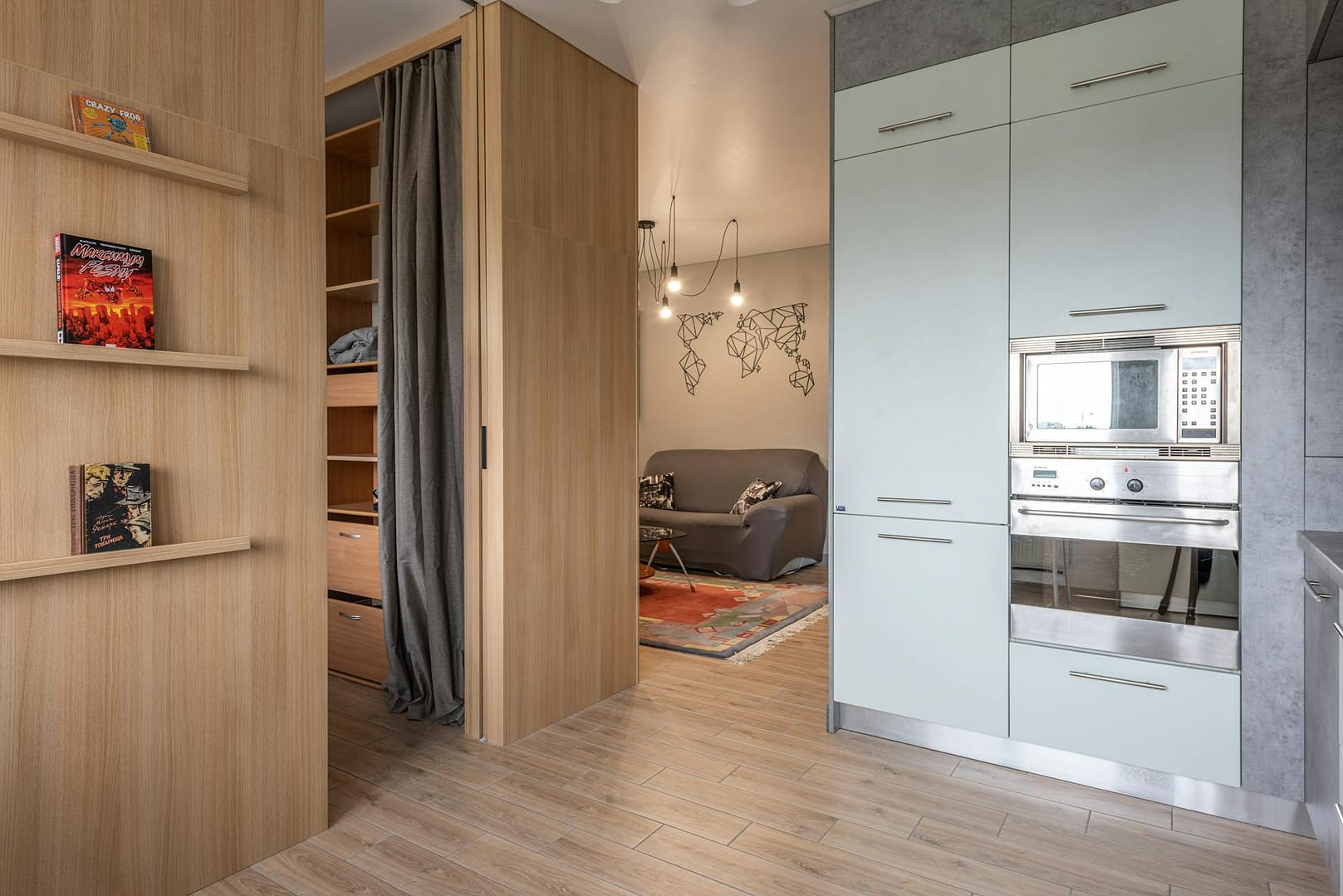
When floor space is limited, the walls become your best friend. Vertical storage instantly expands your usable area without crowding your living space. Tall bookshelves, floating shelves, and wall-mounted cabinets draw the eye upward and free up valuable floor space. Hooks and pegboards are also game changers in tiny homes. You can hang everything from kitchen utensils to jackets and bags. By taking advantage of vertical real estate, you create a sense of openness while keeping essentials within reach.
Choose Multi-Functional Furniture
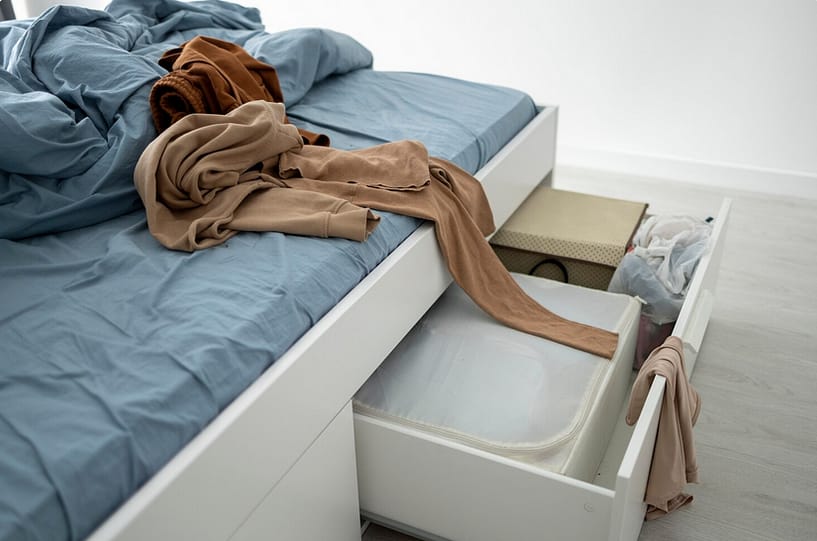
In a tiny home, furniture should work overtime. Pieces that serve more than one purpose are essential for keeping clutter under control. Think storage ottomans, beds with built-in drawers, fold-out desks, or coffee tables with hidden compartments. Multi-functional furniture reduces the need for extra pieces, which keeps your space feeling lighter and less crowded. Instead of adding more cabinets, you’re integrating storage directly into items you already use every day.
Use Under-Bed and Under-Sofa Space
Hidden storage is one of the smartest ways to maximize small spaces. The area under your bed or sofa often goes unused, but it can hold seasonal clothing, extra bedding, or rarely used items. Rolling storage bins or vacuum-sealed bags can help you make the most of these tucked-away spaces. By storing bulkier items out of sight, you maintain a clean and streamlined look without sacrificing practicality.
Make the Most of Corners
Corners are often overlooked, but in a tiny home, they’re valuable storage opportunities. Corner shelves, L-shaped desks, and custom cabinetry can turn awkward angles into functional spaces. Even small corner units in the bathroom or kitchen can hold essentials without disrupting flow. Instead of leaving these areas empty, use them strategically to maximize every square foot.
Install Built-In Storage
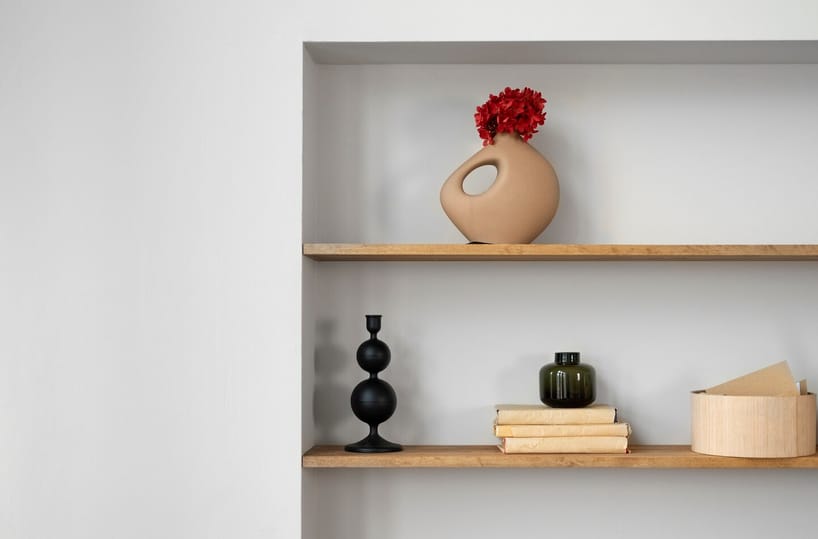
Built-ins are a tiny home’s secret weapon. Custom benches with storage underneath, wall-to-wall shelving, or built-in window seats can dramatically increase capacity without adding bulk. Because built-ins are tailored to your space, they often look seamless and intentional. They blend into the design rather than feeling like separate pieces crammed into a small room. This not only improves organization but also enhances the overall aesthetic.
Embrace Minimalism
Storage solutions work best when paired with intentional living. Tiny homes naturally encourage a minimalist mindset. Regularly evaluating what you truly need helps prevent clutter from taking over. Instead of finding space for everything you own, focus on keeping items that serve a purpose or bring joy. The less you have, the easier it becomes to organize what remains. Minimalism isn’t about deprivation—it’s about creating room to breathe.
Use Doors and Hidden Surfaces
Doors aren’t just for opening and closing—they’re prime storage spots. Over-the-door organizers can hold shoes, cleaning supplies, pantry items, or toiletries. Cabinet doors can also be fitted with small racks for spices or tools. Hidden surfaces like stair risers, fold-down tables, or even ceiling-mounted racks add extra functionality without crowding the room. These subtle additions help you use space that would otherwise go unnoticed.
Keep It Light and Airy
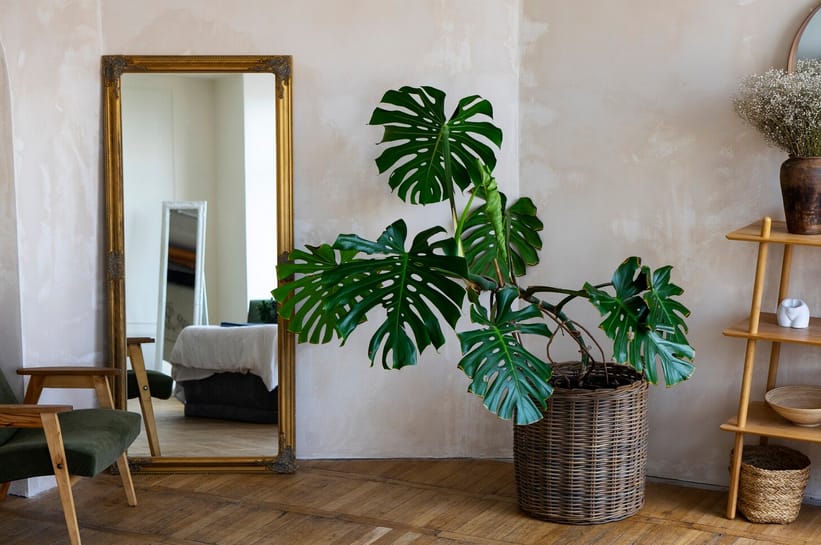
While storage is important, maintaining an open feel is just as crucial. Light colors, mirrors, and good lighting can make a tiny home feel bigger than it actually is. Clear storage containers and neatly arranged shelves prevent visual clutter. When your space looks organized, it feels larger. Thoughtful design choices combined with smart storage create an environment that feels calm rather than cramped.
Living large in a small space isn’t about squeezing in more—it’s about using what you have wisely. By thinking vertically, choosing multi-functional furniture, utilizing hidden spaces, and embracing minimalism, you can transform your tiny home into an organized and inviting retreat.…
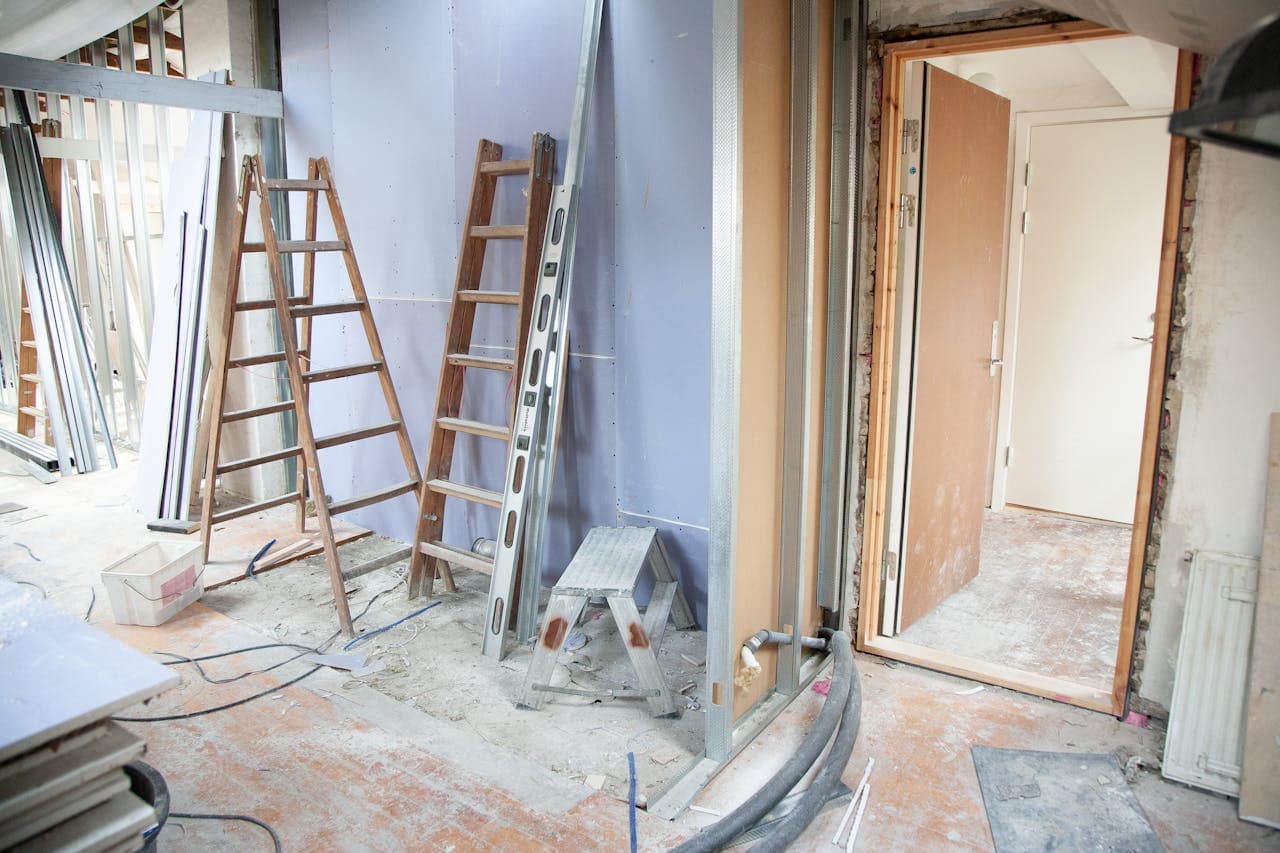
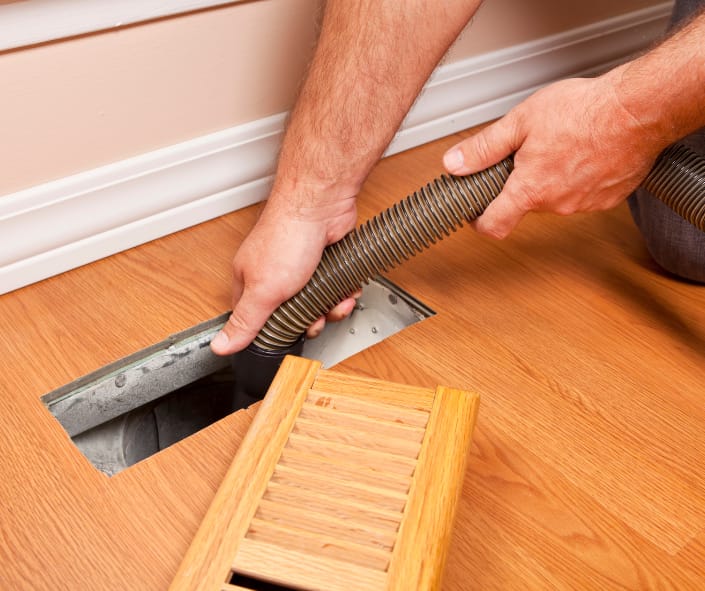
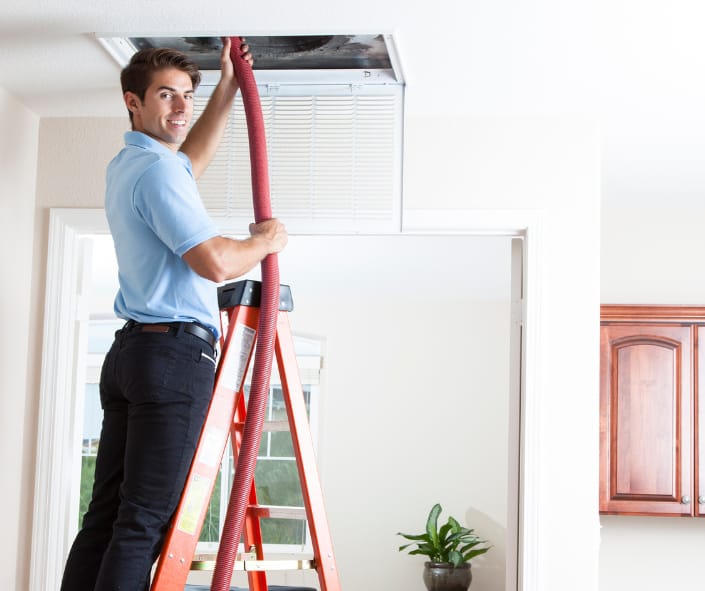
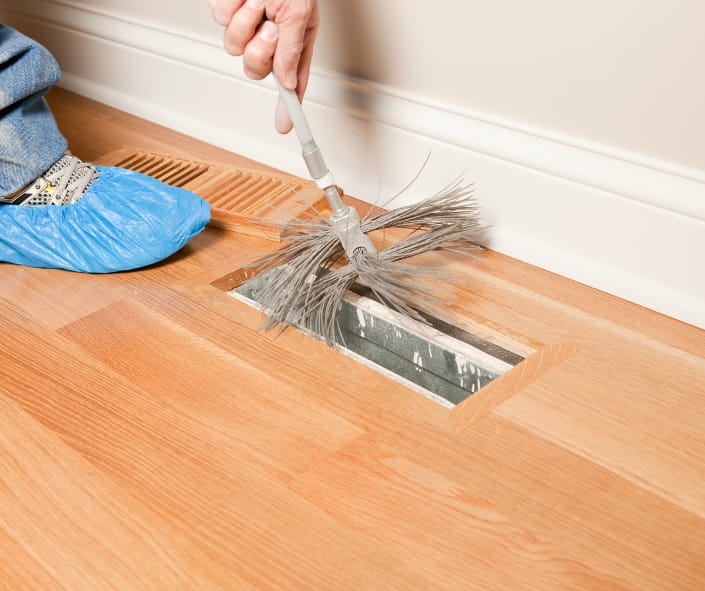




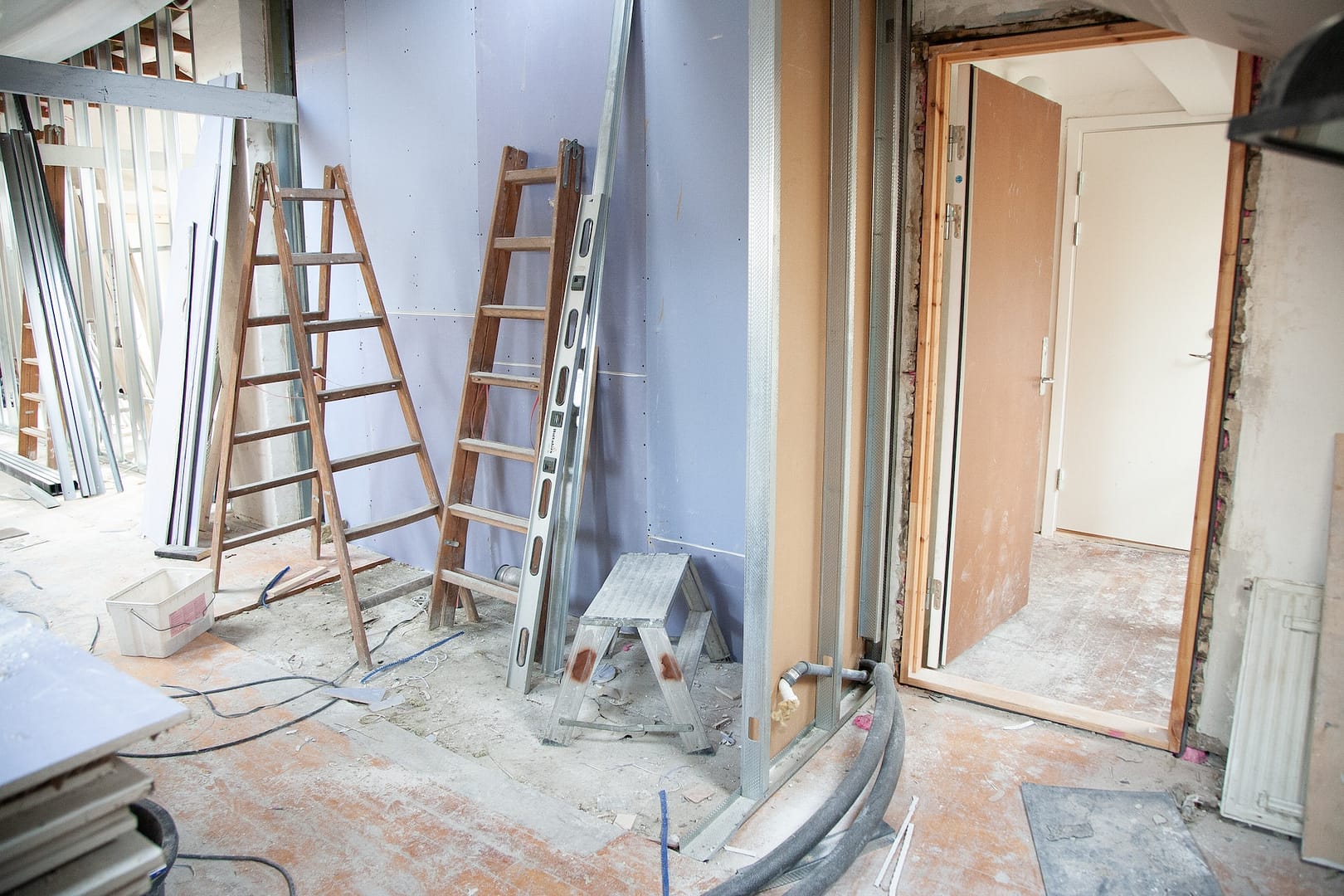
 Let’s be honest. How often do you see constructors make an effort to clean the site and after themselves? Chances are they’ll leave you dealing with a huge mess post-renovation. But for many homeowners, cleaning their homes can be such a daunting task, especially after a renovation. Dust, nails, screws, and countless types of allergens can pose a serious threat if done improperly. That’s where a professional post-renovation cleaning service comes in handy.
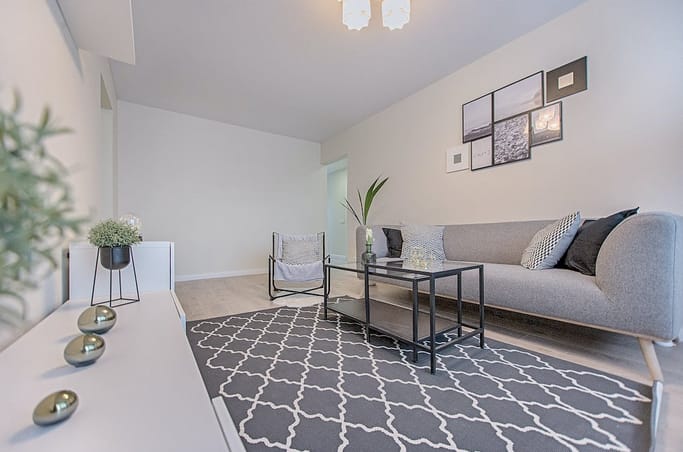
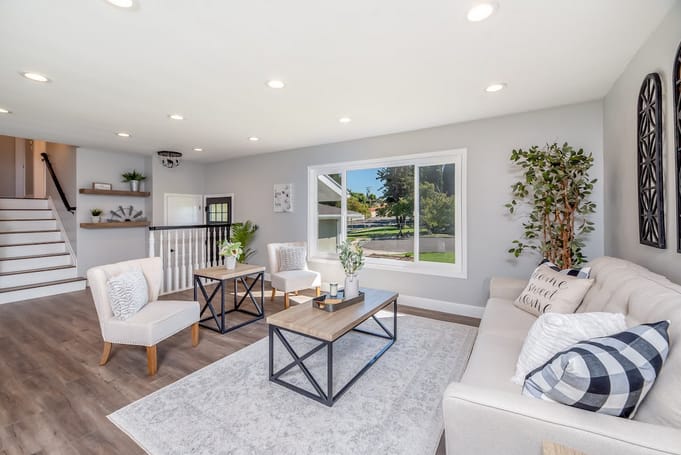
 When revamping your living room on a budget, don’t underestimate the power of lighting. Lighting can completely transform the ambiance and mood of a space, making it one of the most effective ways to upgrade your living room without breaking the bank. That said, get creative with your lighting mix and create a super relaxing, cozy, and inviting atmosphere that will make you stay.
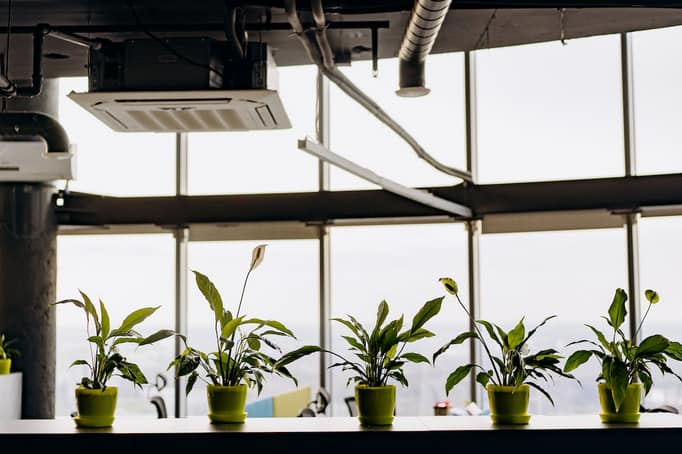
 Evaporative air conditioning systems are easy to install, requiring no special tools or equipment. Plus, many evaporative systems come with pre-installed filters that can be replaced regularly for optimal performance. It makes maintenance a breeze and ensures that you always have a reliable cooling system ready when you need it.
 Evaporative air conditioning systems are perfect for both summer and winter seasons. In the summer, they provide cool air to help keep you comfortable in hot weather. And in the winter, people can use them to circulate warm air throughout the house. This makes them a great option if you’re looking for an efficient home cooling system that you can use all year round.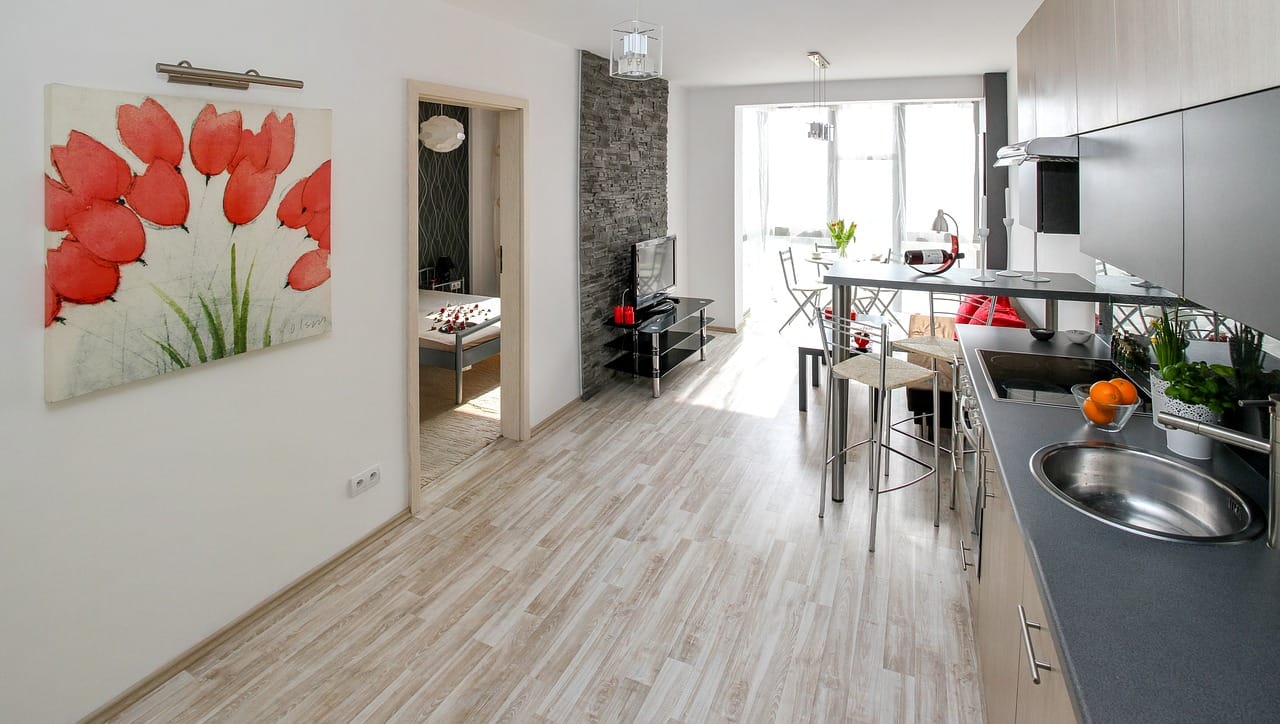
 One of the quickest and easiest ways to add curb appeal to your home is to regularly pressure wash it. You’d be surprised how much dirt, grime, and other buildups can accumulate on your home’s exterior over time. Pressure washing will remove all of that buildup and make your home look new again. Best of all, it’s a relatively inexpensive way to improve your home’s curb appeal. If you don’t have a pressure washer, you can always hire a professional to get the job done.
 Your front door is one of the first things people will see when they come to your home, so make sure it’s inviting. Add a wreath or other decorations to make it more welcoming. You can also paint your front door a bright, cheerful color to make it stand out. Just be sure to choose a color that goes well with the rest of your home’s exterior. These are just a few easy ways to add curb appeal to your home.
 When getting a quote from your moving company, be sure to ask about any
 One of the primary benefits of using a stove cover is protecting your stove from spills and splatters. This can help to keep your stove looking clean and new for longer. In addition, it can help to prevent food from sticking to the surface of your stove. If you have young children in your home, using a stove cover is necessary. It can help protect them from burns and come into contact with hot surfaces. Not only do they protect your stove from spills and splatters, but they also make it easier to clean. Stove covers can be made from various materials, including silicone, cotton, and vinyl.
 If you are looking for a way to reduce heat in your kitchen, using a stove cover is a great option. Most stove covers are designed to reflect heat away from your stovetop. This can help to keep your kitchen cooler during the summer months. It can also help save on energy costs, as you will not need to use your oven or stove as often.
 White card course for home builders is the best way to learn more about construction and building regulations. White Card Course in Home Building is a structured training that covers all the critical areas of home building, including safety, standards, and regulations. White card course for general builders will ensure you have the skills to competently comply with your obligations under Australian Standards AS 1657-Building work (operational) – General Safety Requirements when working on domestic/residential constructions. In getting this course, you will be entitled to a white card that is valid for three years. With so many benefits, there’s no reason not to take advantage of this opportunity!
 This course will help you better understand all the safety regulations that need to be followed when building a home. This includes everything from building a fence correctly, what health and safety checks need to be done before starting working, the different types of protection required on job sites, and more. This course is for anyone who builds homes or renovations in their spare time and builders looking to find out about all these procedures so they can step up their game. You will also learn about the different types of licenses that are needed for builders. This course can also benefit anyone looking to set up a construction business as it will give you all the knowledge required to start one. This course will also emphasize accident prevention during site work. It will teach you about the safety signs that need to be on site. You will also learn how to use machinery and equipment correctly and what needs to happen if an accident occurs.